Fuel Costs Surge Above $3.50 Per Gallon to 18-Month High as Middle East Conflict Disrupts Oil Markets
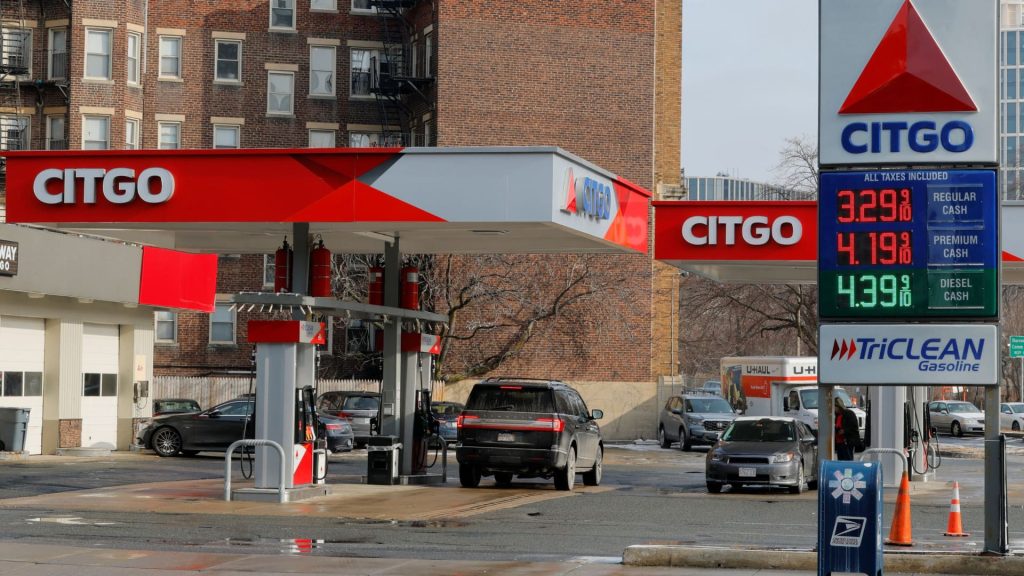
American motorists are experiencing the steepest gasoline prices in over 18 months as ongoing military tensions between the United States and Iran create significant disruptions in global petroleum markets.
According to AAA data released Tuesday, the nationwide average for regular unleaded gasoline reached approximately $3.54 per gallon, representing the highest cost since the middle of 2024. This figure reflects a substantial 21% jump from pricing levels recorded just one month earlier.
The dramatic price escalation commenced following military strikes involving U.S. and Israeli forces against Iranian targets, which subsequently triggered broader regional hostilities. These conflicts have severely impacted operations through the strategically vital Strait of Hormuz shipping corridor, resulting in what analysts describe as the most significant oil supply interruption in recorded history. Industry experts note that the recent three-day price spike represents the most dramatic short-term increase since Hurricane Katrina devastated Gulf Coast refineries in 2005.
Prior to this month’s dramatic escalation, national gasoline pricing had reached multi-year lows not seen since 2021, according to AAA tracking data. Current prices remain below the peak levels experienced during the immediate aftermath of Russia’s military invasion of Ukraine in 2022.
President Donald Trump expressed optimism Monday regarding a swift resolution to the conflict, stating his expectation that hostilities will conclude “very soon,” potentially offering relief to consumers facing increased costs at fuel stations. Defense Secretary Pete Hegseth indicated Tuesday would mark the “most intense day of strikes” targeting Iranian positions.
Crude oil markets have experienced extreme volatility, with U.S. benchmark prices currently trading near $84 per barrel after briefly exceeding the psychologically significant $100 threshold earlier this week. Amin Nasser, chief executive of Saudi Arabia’s state oil company Aramco, warned Tuesday that the ongoing conflict could produce “catastrophic consequences” for global petroleum markets.
“While we have navigated supply disruptions previously, this situation represents by far the most severe crisis confronting the region’s energy sector,” Nasser stated during a public address.
The escalating fuel costs pose a potential challenge to President Trump’s campaign promises focused on reducing living expenses, which served as a cornerstone of his successful reelection bid. Economic affordability continues to rank as a primary political concern as the nation approaches November’s midterm congressional elections, which will determine whether Republicans maintain legislative control.
During earlier remarks at the World Economic Forum in Davos, Switzerland, Trump had claimed the United States was experiencing “virtually no inflation,” citing declining energy costs as evidence of successfully combating price increases.
“Food costs, energy expenses, airline tickets, home loan rates, rental payments, and vehicle financing are all decreasing rapidly,” Trump had declared at the January gathering, when gasoline prices were near multi-year lows. “We have accomplished remarkable results in twelve months.”
Independent of geopolitical factors, gasoline pricing typically experiences seasonal increases during this period as spring break travel season approaches, according to AAA spokesperson Aixa Diaz. Consumers should anticipate the introduction of summer-grade gasoline blends later in the spring season, which carry higher production costs compared to current winter formulations.
“These seasonal elements, combined with elevated crude oil pricing, contribute to higher retail fuel costs,” Diaz explained. “The extent of future price increases remains unpredictable given oil’s volatile nature as a global commodity.”
Future consumer pricing will largely depend on the duration of current market disruptions, according to Raymond James energy analyst Bobby Griffin. Should crude oil prices continue their upward trajectory, retail operators will need to adjust pricing to protect profit margins. If crude prices stabilize at current levels, Griffin anticipates retailers will face margin pressure for several weeks.
Even in scenarios where crude oil costs decline, consumers may not experience immediate relief at the pump, as retail operators typically delay passing cost reductions to customers, the analyst noted.