Items That Should Never Go in Your Dishwasher: A Complete Guide
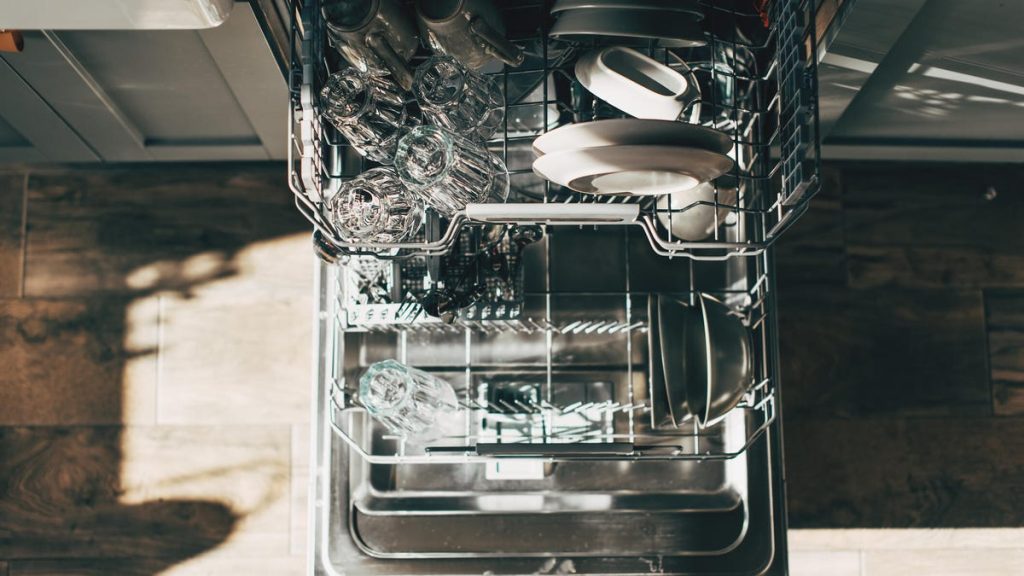
While dishwashers offer incredible convenience for kitchen cleanup, they can be surprisingly destructive to certain household items. The combination of intense heat, powerful water pressure, and harsh detergents that make dishwashers so effective at cleaning can also cause irreparable damage to delicate or specialized kitchen equipment.
Understanding which items should stay out of your dishwasher can save you from costly replacements and preserve the quality of your favorite kitchen tools. The extreme temperatures and aggressive cleaning cycle that work perfectly for everyday dishes can warp, crack, dull, or completely destroy more sensitive materials.
Kitchen Items That Require Hand Washing
Sharp Kitchen Knives
High-quality chef’s knives should never see the inside of a dishwasher. The prolonged exposure to hot water and detergent can compromise the blade’s sharpness, while the turbulent environment allows knives to bang against other items, causing chips and dulling. Professional chefs always hand wash their blades to maintain their cutting edge.
Wooden Kitchen Tools
Any wooden items, including cutting boards, utensils, and serving pieces, are vulnerable to dishwasher damage. The intense heat and moisture can cause wood to split, warp, or crack after just one cycle. These natural materials require gentle hand washing and thorough drying to maintain their integrity and prevent bacterial growth.
Delicate Glassware
Fine wine glasses and thin glassware are particularly susceptible to thermal shock and breakage in dishwashers. Even glasses marked as dishwasher-safe can suffer damage from the high-pressure jets and temperature fluctuations. Hand washing ensures these delicate pieces remain intact for special occasions.
Specialized Cookware
Cast-iron skillets represent a significant investment in both time and money due to their seasoning process. Dishwasher detergent strips away the carefully built-up coating that prevents rust and creates the pan’s non-stick properties. Similarly, copper cookware loses its luster and can become dented when subjected to dishwasher conditions.
Non-Stick Surfaces
Although many non-stick pans are technically dishwasher-safe, the harsh environment gradually degrades the coating. The combination of high heat, strong detergents, and contact with other items can scratch and wear away the non-stick surface, significantly reducing the cookware’s lifespan and effectiveness.
Insulated Drinkware
Travel mugs and insulated bottles rely on vacuum seals to maintain temperature. The dishwasher’s heat and pressure can compromise these seals, rendering the insulation ineffective. Hand washing with warm soapy water preserves the thermal properties of these specialized containers.
Antique and Heirloom Pieces
Vintage cookware, fine china, and porcelain pieces may have weakened over time, making them vulnerable to dishwasher damage. Even items originally designed to be dishwasher-safe can become fragile with age. The safest approach is to hand wash any valuable or irreplaceable pieces.
Heavily Soiled Items
Pans with excessive grease or oil should be pre-cleaned before any dishwasher consideration. These substances can clog dishwasher drains and filters, leading to expensive repairs. Scraping away excess grease and performing an initial hand wash prevents mechanical problems and ensures better cleaning results.
Flimsy Plastic Items
While sturdy plastic containers can handle dishwasher cycles, lightweight takeout containers and disposable cups will melt or warp under the high temperatures. Food storage containers and plastic cups should be evaluated for their heat resistance before placing them in the dishwasher.
Taking the time to identify which items require hand washing may seem inconvenient, but it’s essential for protecting your kitchen investments. A few extra minutes at the sink can prevent the frustration and expense of replacing damaged cookware, dishes, and utensils that could have lasted for years with proper care.